Cards, Caps, and Bobbleheads
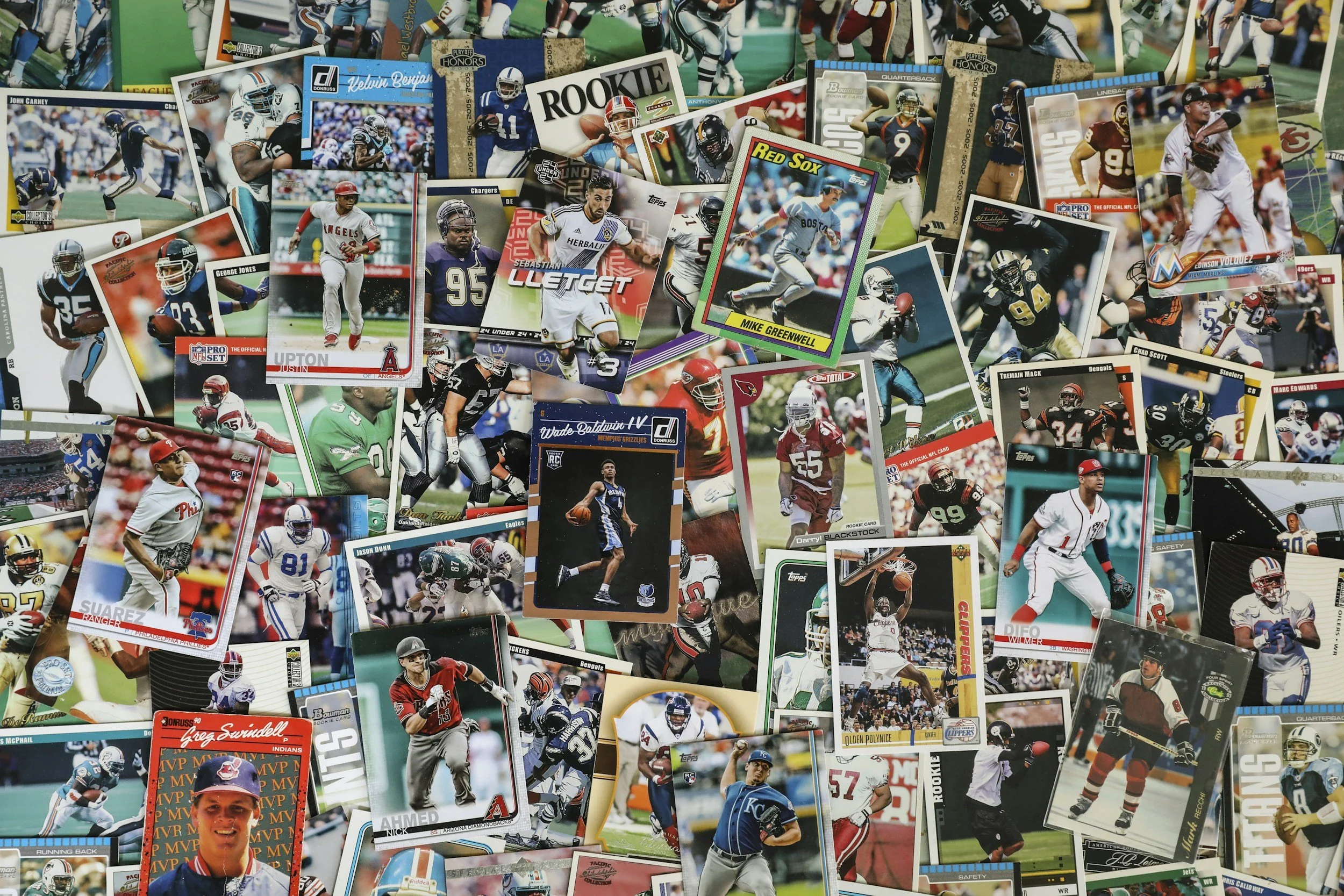
We were at a Mariners game recently for Josh Naylor Bobblehead Night. We brought it home for my son, who immediately began deciding where it would live which, in our house, means negotiating with the existing population of sports cards, Lego sets, binders, and various other items that have quietly claimed shelf space over the years. He also informed me that Funko Pops are supposed to stay in the box. Apparently this is non-negotiable in collector circles. I will never fully understand it, but I respect the commitment. If you have a collector in your house or if you are one you know exactly what I mean.
Here's thing, I never saw this coming. I grew up collecting American Girl dolls which were expensive and displayed with great care. I didn't have a brother into sports cards. Nobody in my house was making trades or chasing rookie cards. So motherhood has been a genuine education. We've gone from Hot Wheels to Steph Curry cards and Funko Pops. My husband, a childhood collector himself, now takes our son to a card shop in Renton on Saturdays. Apparently this is just what we do now.
Collections have a way of expanding to fill whatever space is available. What starts as a few special cards becomes a binder, becomes three binders, becomes a dedicated corner, becomes a whole room negotiation. Bobbleheads, Funko Pops, jerseys, hats, shoes - the same pattern plays out regardless of what's being collected. At some point, someone in the household (often a spouse, sometimes a parent) starts wondering how much is too much and where it all goes. The good news: there's a way to collect intentionally that honors the hobby without overwhelming your home. It just takes a little system.
Display vs. Storage
This is the core question for any collection, and it's worth deciding deliberately rather than letting it happen by default.
Display is for the pieces that genuinely bring you joy every time you see them. The ones with a story, the ones that spark something. A bobblehead from a game you attended. The rookie card you've had for years. The jersey from a player who meant something to you. These deserve to be seen.
Storage is for everything else. The duplicates, the bulk, the pieces that are valuable but not necessarily display-worthy, the items you're holding for future trades or just haven't sorted yet.
The mistake most collectors make is displaying everything, which means nothing stands out. When every surface is covered, the collection becomes visual noise rather than something you actually enjoy. Editing what's on display and rotating it seasonally or when something new comes in keeps it feeling intentional.
A simple rule: if something new comes in, something goes into storage or moves on. One in, one out keeps the collection from quietly taking over.
Protecting What Has Value
Not everything in a collection needs the same level of care, but the pieces that have real value deserve proper protection.
For trading cards:
Individual card sleeves are the baseline for anything worth keeping
Top loaders (rigid plastic cases) for cards with significant value
Graded cases (PSA, BGS) for anything you're treating as a serious investment
Binders with acid-free pages for organized bulk storage. Keep them out of direct sunlight and away from humidity
For bobbleheads, Funko Pops, and figurines:
A note on Funko Pops: serious collectors keep them in the box always. It's a strong preference in the collector community and it significantly affects resale value, so if your kid cares about theirs, respect the box.
Display cases with UV-protected acrylic help prevent fading and dust buildup for out-of-box pieces
Avoid direct sunlight, which fades paint and plastic over time
For jerseys, hats, and apparel:
Framed jersey displays are a clean way to show one or two meaningful pieces without them taking up closet space
Flat storage in acid-free bags or boxes for items not on display
Hats stored on a hat rack or in hat boxes. Stacking ruins the shape
For shoes:
Clear stackable boxes are both practical and display-worthy
Silica gel packets help control moisture, especially in the Pacific Northwest
How Much To Display?
This is often where collections become a point of contention. One person's curated display is another person's clutter. A few principles that help:
Designate a zone. One shelf, one wall, one room. The collection lives there and expands within that boundary, not beyond it. This gives the collector creative freedom and gives everyone else a sense of containment.
Think in vignettes, not coverage. A few well-placed pieces with breathing room around them look intentional. Every surface covered looks chaotic. Less really is more when it comes to display.
Rotate seasonally. A collection that rotates stays interesting. Pull out the football gear in fall, baseball in spring. Store what's off-season. This also gives kids a reason to actually engage with their collection rather than walk past it every day.
Let kids have ownership of their space. If your 11-year-old has a desk or a bookshelf that's theirs, let the collection live there and let them manage it. Learning to organize, edit, and care for their own things is a genuinely valuable skill.
When the Collection Outgrows the Space
Sometimes a collection has grown beyond what any system can contain, and it's time for a real edit. This doesn't mean getting rid of everything. It means making intentional decisions about what stays, what's stored, what's traded, and what's sold.
Valuable cards can be sold through trading card marketplaces or local card shops. Duplicate bobbleheads and figures often do well on eBay or Facebook Marketplace. Apparel and shoes in good condition can go to consignment or sports resale platforms.
The goal isn't a minimalist house with no collections. The goal is a home where the things you love are visible, protected, and actually enjoyed not buried under everything else.
At Signature Organizing, we help families find that balance. Whether it's a dedicated sports room that needs a system or a collection that's quietly taken over three rooms, we'll help you figure out what to keep, how to display it, and where everything else goes.

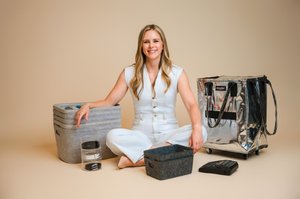
Jessica is the founder of Signature Organizing, a Professional Home Organizing Business in Washington (servicing the greater Eastside and Seattle area). She loves transforming chaos into functional spaces and is known for bringing creative solutions to improve the quality of life for her clients. She shares her tips and tricks on Instagram @signatureorganizing