
Smart Calendar Management
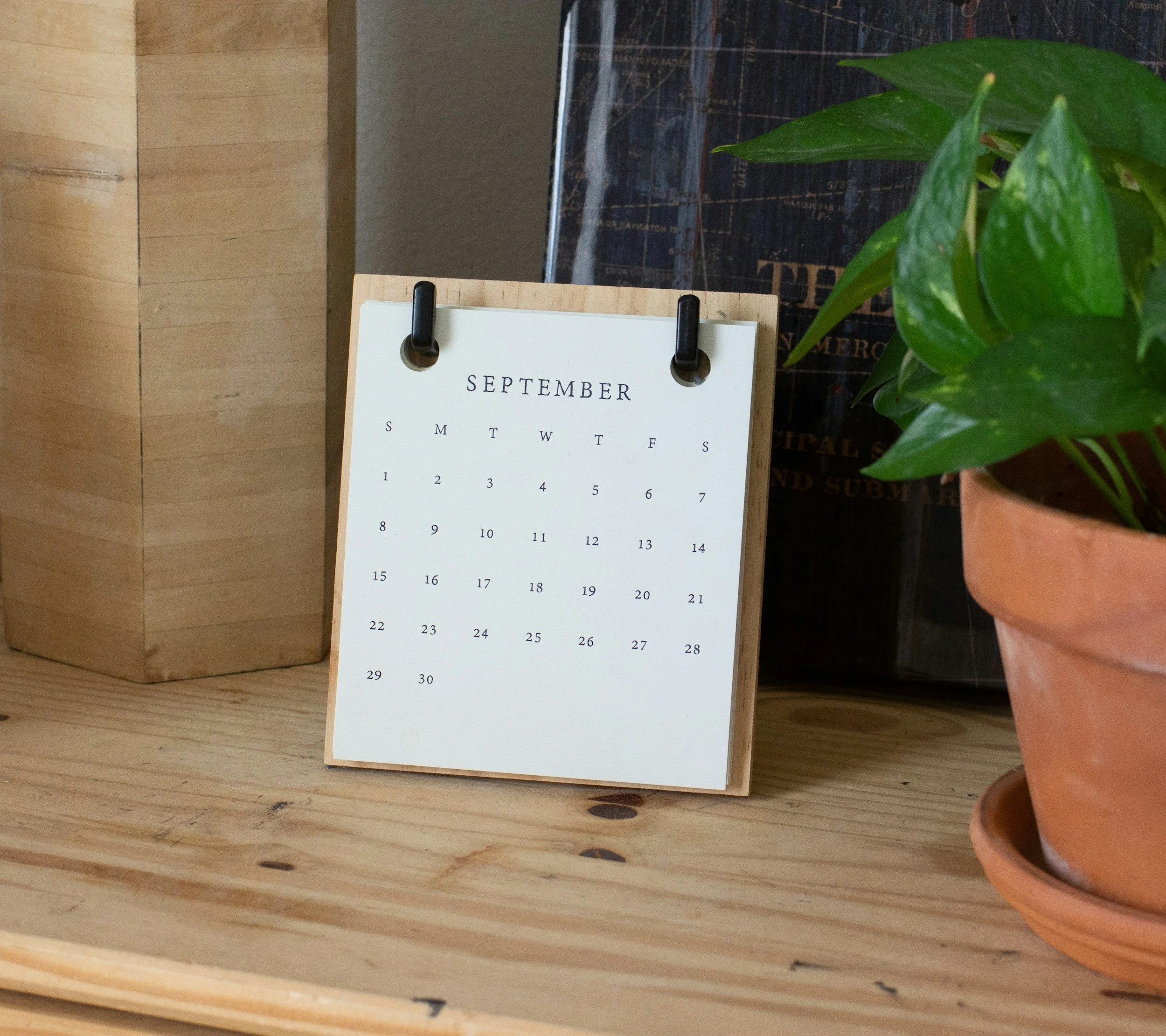
As a professional organizer, I'm often asked: "How do you actually manage multiple calendars without losing your mind?" It's December, and families everywhere are juggling holiday activities, school events, work deadlines, and planning for the new year. The truth is, effective calendar management isn't about finding one perfect system—it's about discovering what works for your household's unique rhythm.
Why Calendar Coordination Matters
When family members operate on different schedules without a system, chaos follows. Missed appointments, double-booked evenings, forgotten obligations, and constant "did you know about this?" conversations drain mental energy. Coordinating calendars creates clarity, reduces stress, and helps everyone feel more in control of their time.
Finding Your Family's Calendar System
Digital Display Calendars: A Game-Changer for Visual Learners
We recently added a Skylight Calendar to our home—something I purchased myself after it had been on my wish list for a while. I'm sharing this as a busy mom and business owner describing what's genuinely working in my own household, not as any kind of product endorsement. We've used Alexa in the past, which is a helpful tool, but we've found the simplicity of the Skylight better suits our current needs. The transformation has been remarkable, and I want to share our experience because it addresses a common challenge: making schedules visible and accessible to everyone, including kids.
The interactive touchscreen display lives in our kitchen where everyone naturally gathers. My children can actually see their routines, chores, and activities at a glance. There's something powerful about that visual representation—it creates ownership. Instead of me constantly reminding them about tasks, they check the calendar themselves. The interactive element turns schedule-checking into an engaging habit rather than a chore.
We're still exploring features like meal planning integration and other organizational tools. The learning curve exists, but the payoff in household coordination has already been worthwhile. When everyone can physically see what's happening each day, questions decrease and independence increases.
Google Calendar Syncing: Essential for Couples
My husband and I sync our Google calendars, which has eliminated countless miscommunications. We can see each other's work commitments, personal appointments, and family obligations in real-time. Color-coding helps distinguish between different types of events: work, kids' activities, household tasks, and personal time.
The key is establishing calendar habits —actually entering events immediately rather than thinking "I'll remember that." Set up calendar notifications for important events, share specific calendars with relevant family members, and review upcoming weeks together regularly.
Paper Systems: Still Valid for Traditionalists
Not everyone thrives with digital systems, and that's perfectly acceptable. Paper calendars offer tangible benefits: no screen time required, no learning curve, and the satisfying act of physically writing down commitments.
A large wall calendar in a central location works beautifully for many families. Everyone can add events with different colored markers. Monthly planning sessions become family rituals. Some people simply think better when they can physically write and see information on paper.
The Truth About Calendar Systems: No One-Size-Fits-All
Here's what professional organizers know: the "best" calendar system is the one your family will actually use consistently. I've seen households thrive with combinations of methods—digital calendars for parents, visual displays for kids, and paper backups for grandparents or nannies who help with childcare.
Consider your family's specific needs:
Do you have young children who need visual cues?
Does everyone have smartphones or prefer tech-free approaches?
How often do schedules change last-minute?
Who needs access to what information?
Simplifying December and Preparing for 2026
December presents unique calendar challenges with its concentration of events, traditions, and year-end obligations. Here are practical strategies to simplify this month and set yourself up for success in 2026:
Conduct a Calendar Audit: Review your current system honestly. What's working? What causes friction? December's intensity reveals weak points in your organizational approach.
Establish a Weekly Planning Ritual: Sunday evenings or Monday mornings, spend 15 minutes reviewing the week ahead as a family. Identify potential conflicts, prepare for busy days, and ensure everyone knows expectations.
Build in Buffer Time: Don't schedule events back-to-back. Travel time, transition time, and breathing room prevent the constant feeling of running behind. The gift of margin is an act of self care.
Create a Master Gift and Event List: Track holiday parties, gift exchanges, and special events in one location linked to your calendar. Set reminders for preparation tasks, not just event times.
Plan Your 2026 Launch: Use late December to establish systems for the new year. Set up calendar templates for recurring activities, establish color-coding standards, and ensure all family members understand how to access and update your shared system.
Designate a Calendar Manager: In most households, one person naturally becomes the schedule coordinator. Acknowledge this role and ensure they have tools and support to maintain the system without becoming overwhelmed.
Even Professional Organizers Make Mistakes
Here's some honest truth: even on our best days, with all our systems in place, mistakes happen. Just last week, I entered my son's basketball game on Saturday instead of Sunday. Despite our Skylight Calendar, our synced Google calendars, and my professional expertise, I simply got the day wrong.
And you know what? Life went on. My husband still made it to his other commitment, and we made it to my son's game on the correct day once we caught the error. No catastrophe, no family meltdown—just a quick adjustment and a reminder that we're all human.
Give yourself grace. The purpose of calendar management isn't to achieve robotic perfection. It's to create a framework that helps your family function smoothly and recover quickly when things inevitably go sideways. A good system doesn't prevent all mistakes; it makes mistakes easier to catch and fix.
Making Calendar Management Sustainable
The goal isn't perfection—it's consistency and clarity. Start with simple practices: daily check-ins, weekly planning sessions, and monthly reviews. Technology should serve you, not complicate your life. Whether you choose digital displays, synced Google calendars, paper systems, or hybrid approaches, commit fully to your chosen method.
As we close out 2025 and prepare for a fresh start in 2026, take time to establish calendar coordination that actually fits your family's lifestyle. The peace of mind that comes from knowing everyone's on the same page? That's the real gift you can give yourself this season.


Jessica is the founder of Signature Organizing, a Professional Home Organizing Business in Washington (servicing the greater Eastside and Seattle area). She loves transforming chaos into functional spaces and is known for bringing creative solutions to improve the quality of life for her clients. She shares her tips and tricks on Instagram @signatureorganizing